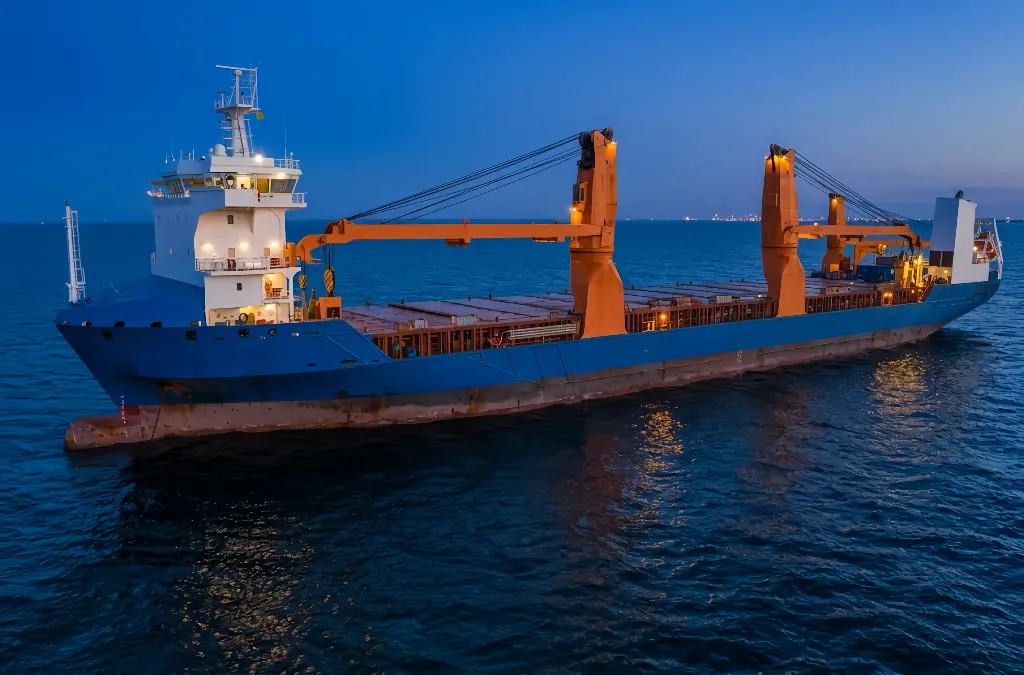
The maritime industry operates in challenging environments, from research vessels to offshore platforms. In these settings, reliable systems and precise control are essential. As maritime operations become more connected and data-driven, easy access to distributed computers is increasingly important. In this context, IP KVM solutions for maritime operations provides a practical way to access and manage computers across different areas of a vessel or offshore facility.
How IP KVM Supports Maritime Operations
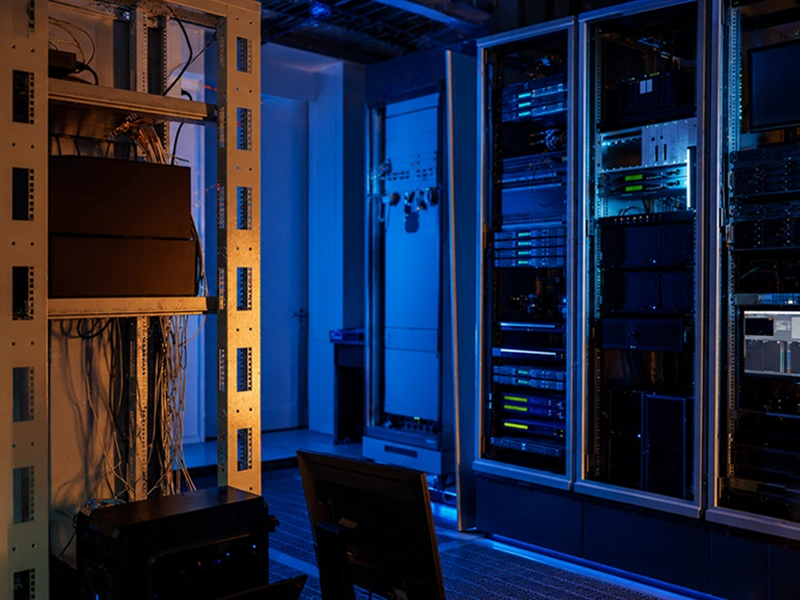
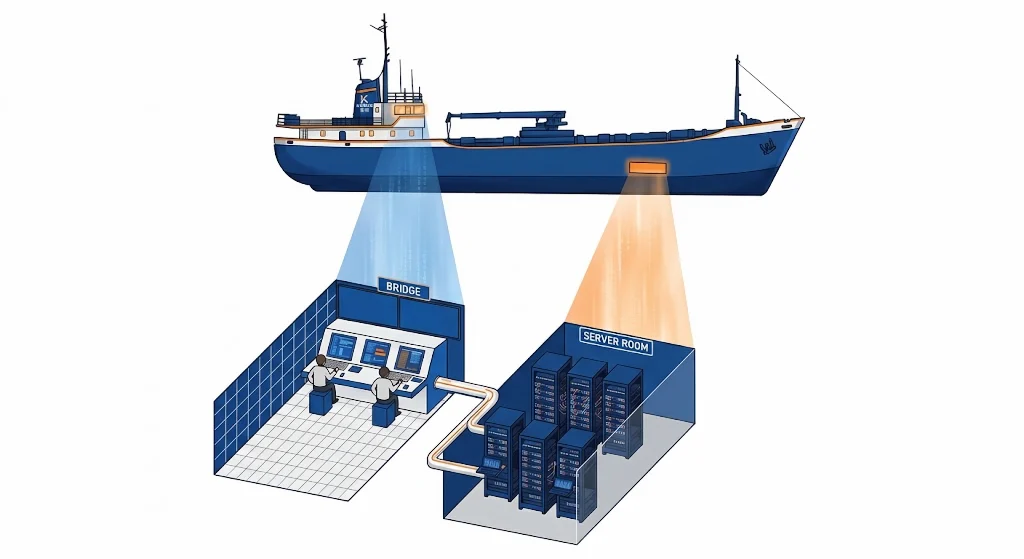
IP KVM enables the separation of operators from hardware. In maritime applications, critical systems, such as monitoring devices, crane controls, logistics platforms, and navigation computers are often housed in dedicated server rooms located in the lower decks. This protects them from environmental hazards, but traditionally limits direct access.
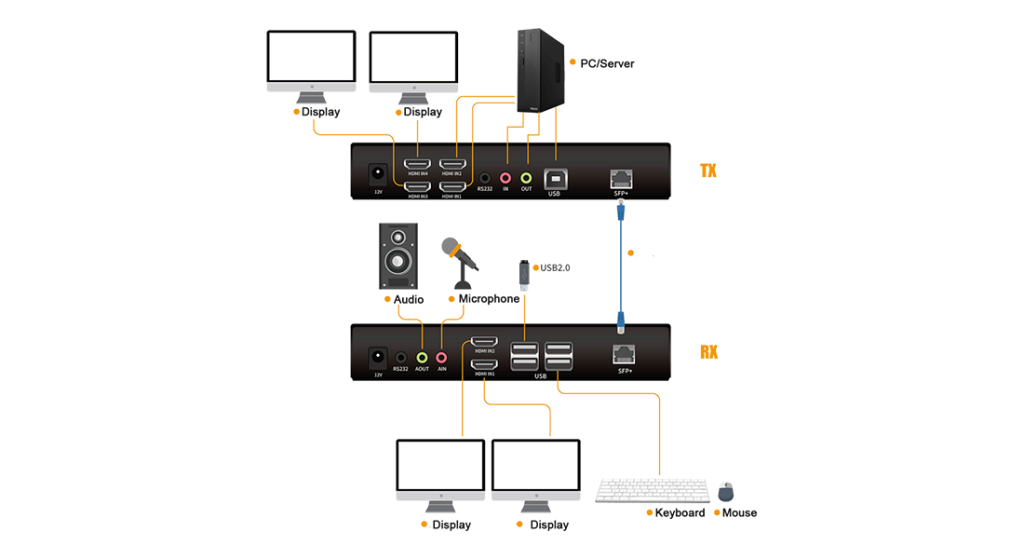
In an IP KVM system, distributed devices connect to KVM transmitters, which send signals over Cat X or fiber optic cables to KVM receivers in control rooms or other operational areas. Dedicated IP KVM management software then allows authorized users to access and control connected computers from remote workstations, without needing to be physically near the hardware.
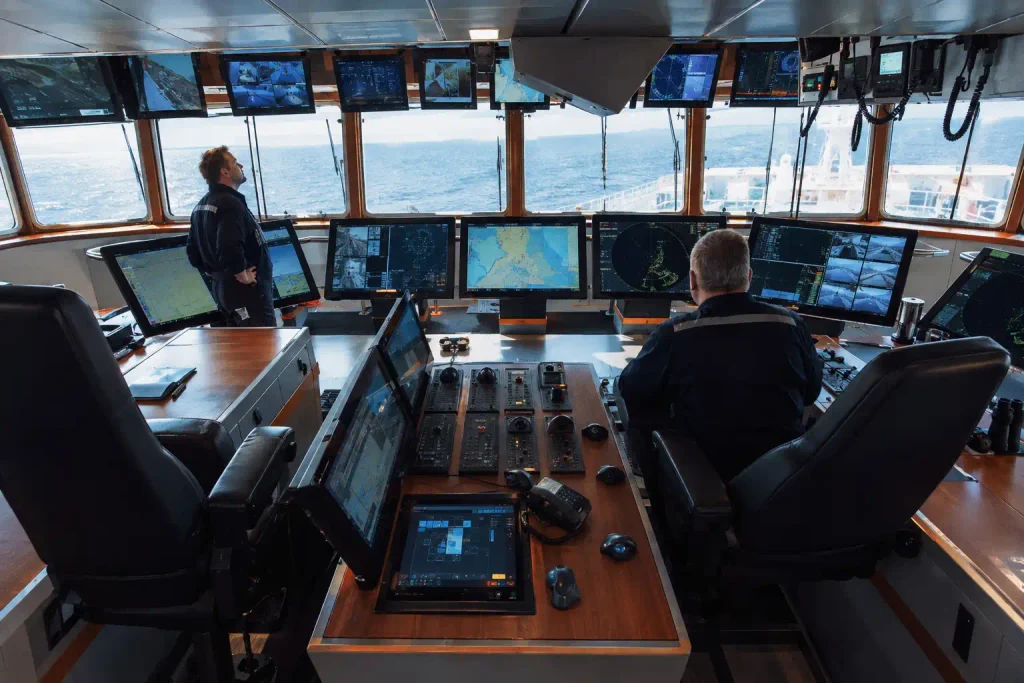
With this setup, crew members can operate multiple systems from a single workstation. They can also switch between servers and manage equipment across different decks or modules through an intuitive visual interface. Whether controlling cargo loading via crane systems, managing ship logistics, or monitoring engine performance, IP KVM brings all functions to the operator’s fingertips.
Key Benefits of IP KVM for Maritime Operations
Enhanced Operational Continuity
In maritime settings, minimizing downtime is essential. IP KVM provides remote access to connected computers, allowing operators to check system status and switch between available sources from a workstation without needing to access the hardware directly. Overall system resilience depends on the wider system design and the availability of backup infrastructure.
Centralized Control & Reduced Physical Movement
Instead of requiring staff to move between control rooms, server rooms, and operational zones, IP KVM consolidates access into one or several user-friendly stations. This saves time, reduces human fatigue, and minimizes exposure to hazardous areas — especially meaningful during severe weather or high-risk operations.
Improved Collaboration & Configuration Flexibility
Through group-based access controls, different teams—navigation, engineering, logistics—can share systems or maintain separate environments as needed. The software allows administrators to assign permissions per console, enabling secure, role-based operation without compromising system integrity.
Long-Distance, High-Fidelity Signal Transmission
Using fiber optic support, Kinan’s KVM extenders can transmit 4K video and data over distances up to 80km with near-zero latency. This allows operators to receive real-time, visually lossless video even from devices located far from the control room, supporting monitoring, precision control, and safety oversight.
Adaptation to Challenging Environments
Designed to meet strict temperature, humidity, and vibration tolerances, IP KVM hardware is well suited to maritime environments. Its ability to perform reliably under variable conditions extends the life cycle of onboard electronics and supports 24/7 operational readiness.
Simplified Maintenance & Troubleshooting
The IP KVM management platform offers a visual overview of all connected devices, streamlining diagnostics and routine checks. Operators can identify issues early, simulate controls remotely, and reduce the need for physical inspections in hard-to-reach or environmentally harsh server areas.
Conclusion
As maritime operations become increasingly connected, operators need practical ways to access computers located across different areas of a vessel or offshore facility. An appropriately configured IP KVM Matrix system can help centralize computer access, simplify switching between connected sources, and provide greater flexibility in workstation design.
The right solution depends on the number of connected systems, transmission distance, video requirements, network infrastructure, and operational constraints. These factors should be evaluated carefully before deployment, particularly in environments with specialized safety and reliability requirements.
KINAN offers IP KVM Matrix solutions designed for flexible computer access and control across multiple workstations. Contact us to discuss your application requirements and identify a suitable configuration.